Enrolling children in physical activities is one of the most effective ways to promote lifelong health and development. Among the various disciplines available, gymnastics stands out as a foundational sport that offers a unique combination of physical, cognitive, and social advantages.
By engaging in a structured training environment, children can develop skills that serve them well beyond the gym. Participating in gymnastics lessons for kids provides a holistic approach to growth that supports the needs of developing bodies and minds.
Development of Fundamental Motor Skills
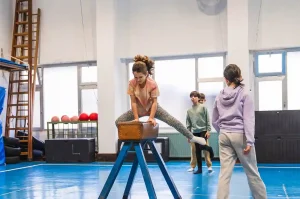
One of the primary advantages of this sport is its ability to build exceptional coordination, balance, and agility. Children learn to control their movements through space, which translates into improved performance in other athletic activities.
From running and jumping to climbing, the exercises involved help children gain a deeper understanding of their own physical capabilities. This foundational training builds a sense of body awareness that prevents injuries and enhances overall athleticism during these formative years.
Building Strength and Flexibility
Gymnastics is a full-body workout that emphasizes the development of functional strength. By utilizing their own body weight to execute various maneuvers, young athletes build significant muscle tone and bone density.
Furthermore, consistent stretching routines improve range of motion, which is vital for long-term health. The flexibility cultivated during gymnastics lessons for kids helps children avoid tightness and potential strain, promoting better posture and more efficient movement patterns in their daily lives.
Enhancing Cognitive Function and Focus
The complexity of gymnastic routines requires high levels of concentration and mental processing. Children must memorize sequences, follow multi-step instructions, and remain present during technical execution.
This mental engagement helps refine executive function and improves attention spans. As children learn to break down challenging skills into smaller, manageable parts, they develop problem-solving abilities that prove useful in classroom settings and other academic pursuits.
Fostering Social Skills and Teamwork
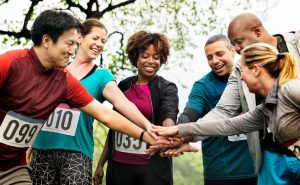
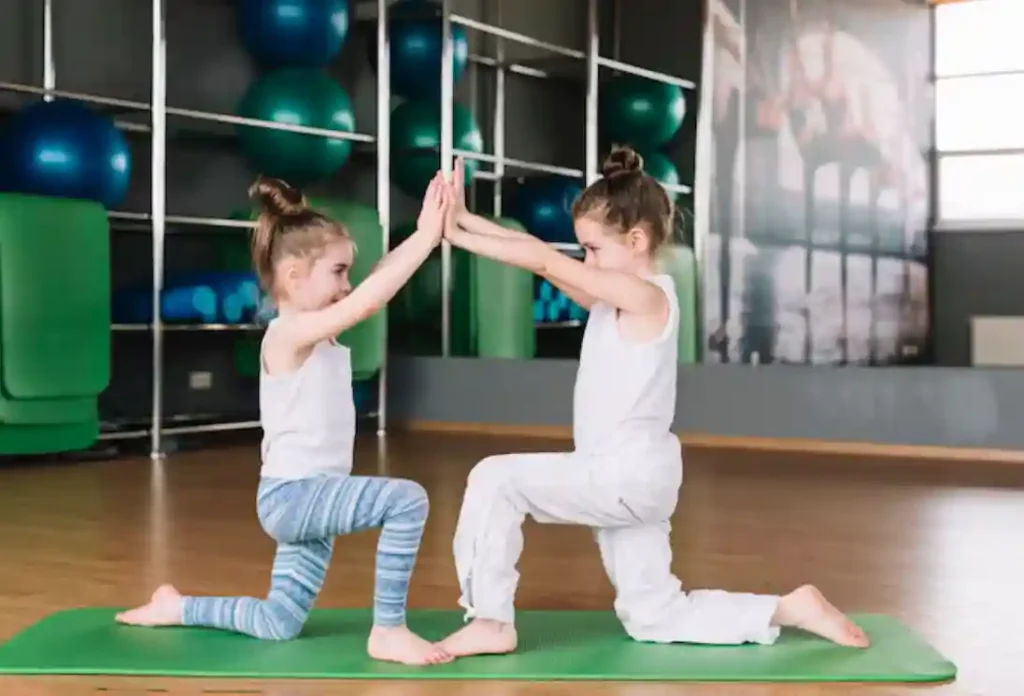
Although gymnastics is often perceived as an individual sport, the training environment is deeply social. Children interact with peers, learn to share equipment, and support one another through shared challenges.
The camaraderie built during gymnastics lessons for kids encourages healthy competition and mutual respect. Learning to handle both successes and setbacks in front of others builds emotional intelligence and prepares children for the complexities of social interactions in their future careers.
Cultivating Discipline and Perseverance
Mastering a specific skill often requires dozens of attempts and a great deal of patience. This process teaches children the value of hard work and the importance of goal-setting.
When a student finally lands a move they have been practicing for weeks, they gain a profound sense of self-confidence and pride. This perseverance teaches them that dedication leads to results, a mindset that is essential for overcoming obstacles in all areas of their lives.
Boosting Confidence and Self-Esteem
Perhaps the most visible benefit of regular participation is the boost in a child’s overall self-assurance. As they learn new skills and conquer their fears, they become more comfortable stepping out of their comfort zone.
The sense of accomplishment earned through gymnastics lessons for kids provides a powerful foundation for personal growth.
This internal belief in their ability to learn and succeed carries over into school, home life, and beyond, empowering them to pursue their interests with enthusiasm and courage.