Gymnastics is one of the most comprehensive physical disciplines available, developing strength, flexibility, coordination, balance, and spatial awareness simultaneously. For children, it builds a physical foundation that supports almost every other sport and physical activity they may pursue later. For adults starting later, it offers challenges and rewards that are uniquely its own.
What Makes Gymnastics Suitable for Beginners
Unlike many sports, gymnastics develops athletic qualities rather than relying on pre-existing ones. A child who starts with no particular athletic background can develop remarkable strength and coordination through a properly structured program. The progressive nature of the skill system means there is always a next step accessible to someone willing to practice consistently.
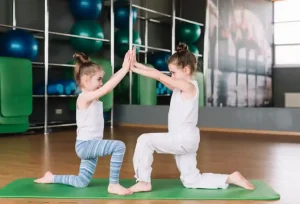
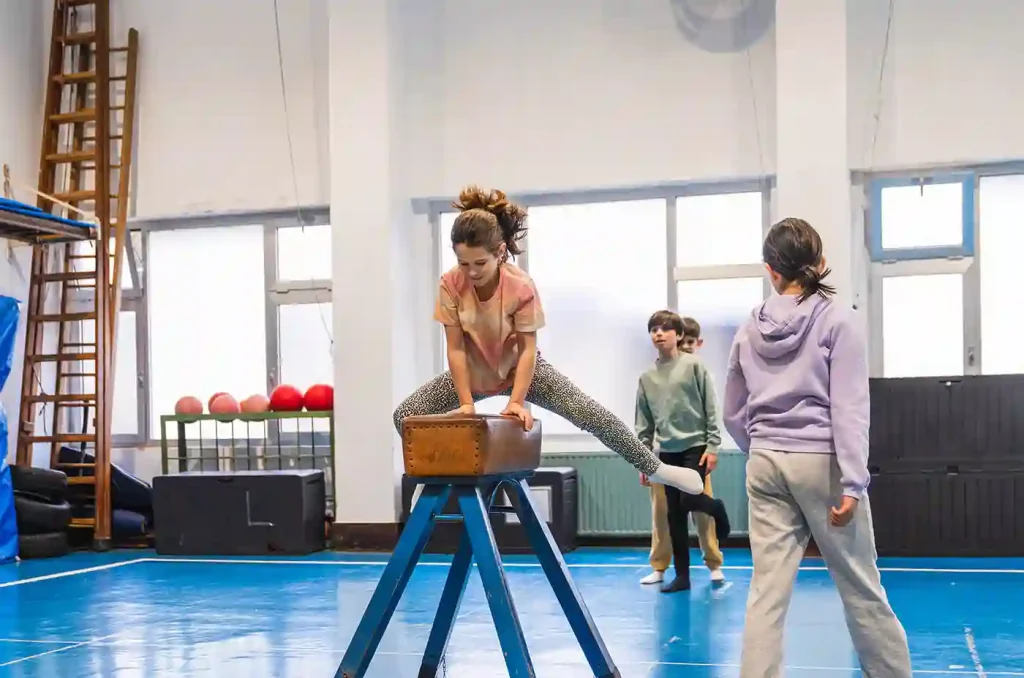
For younger children, recreational gymnastics classes focus heavily on fun, movement exploration, and basic body control. Cartwheels, forward rolls, handstands, and simple beam work introduce the fundamental patterns that more advanced skills build upon.
Choosing a Suitable Program
Not all programs are the same, and finding one that matches both your goals and your child’s personality is worth the effort. Recreational classes are designed for broad participation and general fitness development. Competitive programs involve greater time commitment and a higher intensity of training, which suits children who show strong aptitude and enthusiasm.
When evaluating options, visit facilities in person and watch a class if possible. Observe how coaches interact with students, whether the environment feels safe and positive, and whether the equipment is well-maintained. A quality program offering beginner gymnastics instruction will have coaches who communicate clearly, prioritize safety, and adapt their teaching to individual students.
Physical Preparation and Safety
Gymnastics is a physically demanding sport, and proper warm-up and conditioning are built into quality programs from the beginning. Injuries most commonly occur when young athletes progress too quickly before developing the foundational strength and body awareness needed for more challenging skills. Well-run programs sequence skills carefully to minimize this risk.
Wearing appropriate attire, using chalk where provided, and respecting coach instructions about spotting and equipment use all contribute to a safe training environment. Parents can support safety by communicating openly with coaches about any physical concerns or limitations their child may have.
Benefits Beyond the Gym
The benefits of gymnastics extend well beyond physical development. Children who train consistently develop discipline, goal-setting skills, and resilience in the face of challenge. Learning to fall safely, try again after failing a skill, and celebrate progress in small increments are lessons that transfer directly into academic and social contexts.
For families considering activity options, gymnastics offers a uniquely broad developmental return on the time invested, making it one of the most valuable physical pursuits available for children of almost any age.
Supporting Progress at Home
Parents and beginners can make a big difference in progress by reinforcing what is learned in class through simple, safe activities at home. This does not mean replicating full gymnastics training, but instead encouraging basic movement patterns like stretching, balance practice, and core strengthening exercises in a controlled environment.
Even a few minutes of daily practice can help improve flexibility and body awareness over time. It is also important to support motivation rather than pressure performance. Celebrating small improvements, like holding a balance a little longer or completing a skill with better form, helps build confidence and enjoyment.